Ohio is at the far eastern end of the U.S. corn and soybean belts, with more than 8 million acres of the crops planted in the state, mostly in the northwest.
Northwest Ohio also has the state’s highest use of pesticides, which includes agrichemicals used to control pests, weeds and fungicides.
Ohio also has the nation’s 12th-highest cancer rate, but the correlation with pesticide use is not as apparent as in other states.
This year, Investigate Midwest, in partnership with the Pulitzer Center’s StoryReach U.S. Fellowship and the Fund for Investigative Journalism, published an investigation that found 60% of the top 500 counties for pesticide use had overall cancer rates above the national average.
In many states, there appeared to be a correlation between high pesticide use and higher rates of cancer, including Missouri, Iowa and North Dakota.
Ohio’s high cancer rate is blamed on a multitude of factors, including poor health metrics, smoking and industrial pollution. The state’s highest cancer rate is in southern counties, some linked to radioactive contamination from local plants and decommissioned uranium enrichment sites.
Twenty-four of the nation’s top 500 counties for pesticide use are located in Ohio, all in the northwest. However, less than half have cancer rates higher than the national average.
Cancer is a complex disease and its link to multiple factors can muddle policy debates. But scientific research linking pesticides with certain types of cancers has been growing.
A 2024 study in Frontiers in Cancer Control and Society claimed pesticides rivaled smoking in their potential to cause cancer.
House Bill 1318, passed last year, was pushed for by Bayer and other agrochemical groups.

For the past year, Investigate Midwest, in partnership with the Pulitzer Center’s StoryReach U.S. Fellowship and the Fund for Investigative Journalism, has been reporting on the link between pesticides and cancer. You can read more of our reporting below, and explore data in your own community.
 Ben Felder, Investigate Midwest
 Ben Felder, Investigate Midwest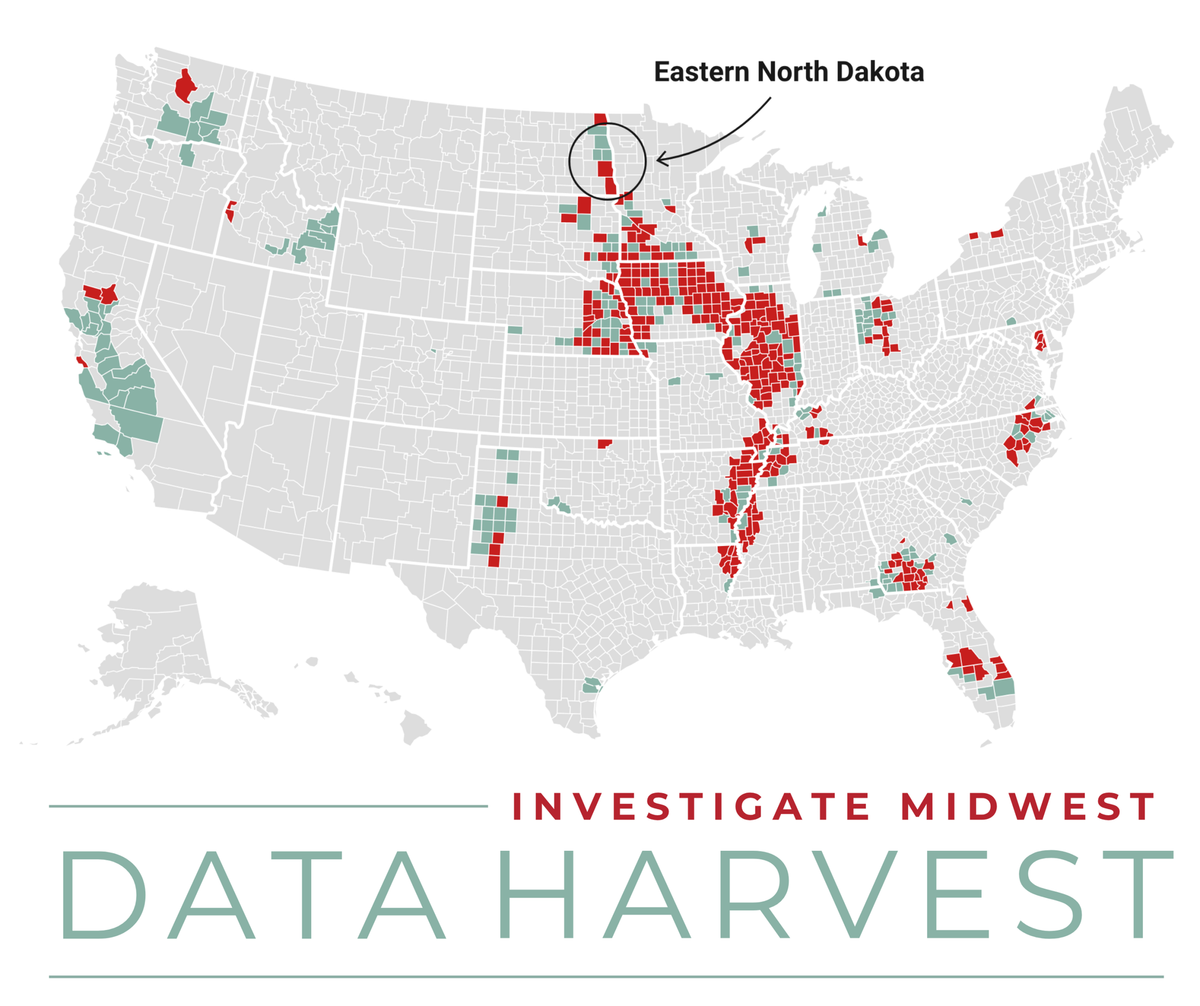
 Ben Felder, Investigate Midwest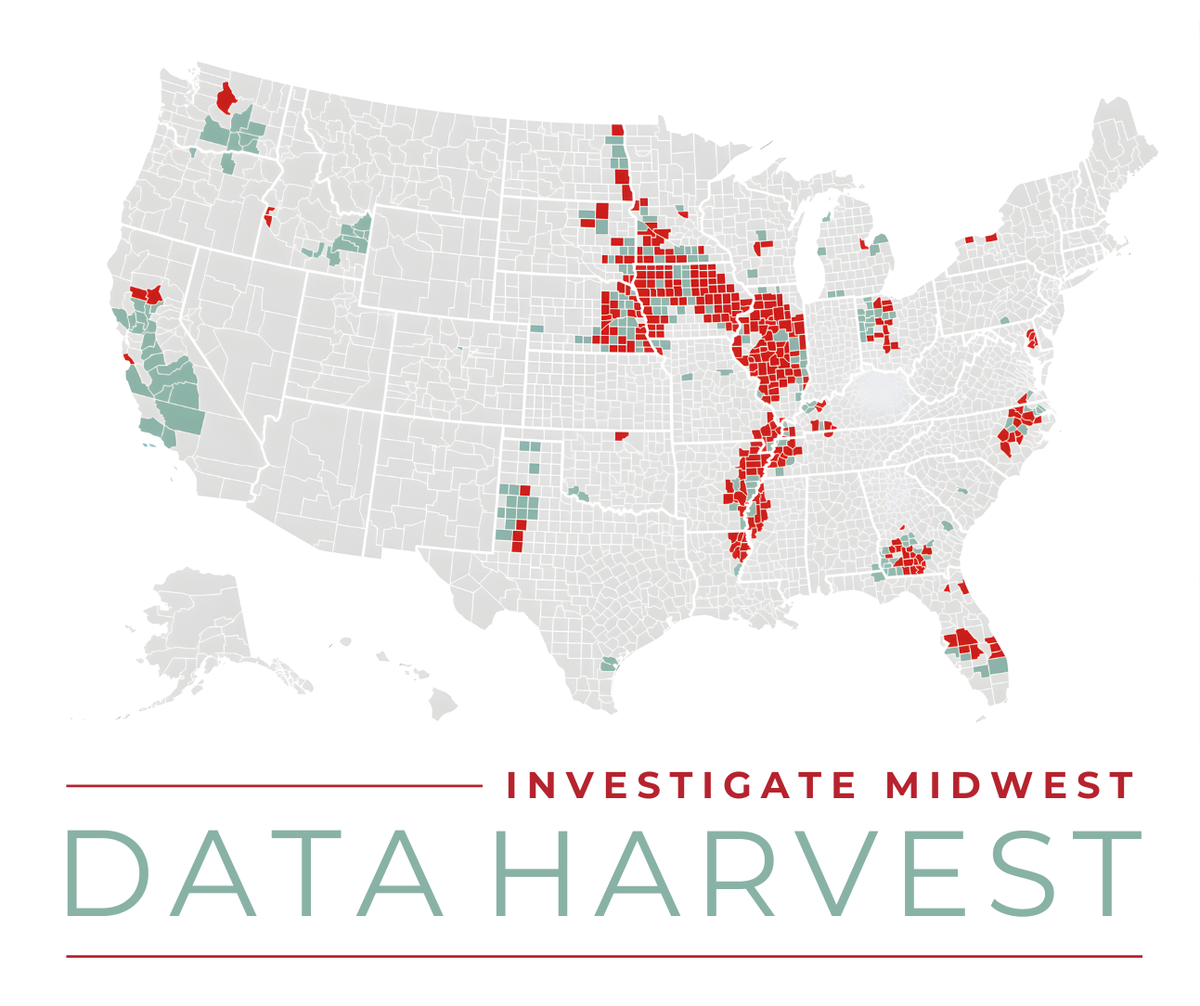
 Ben Felder, Investigate Midwest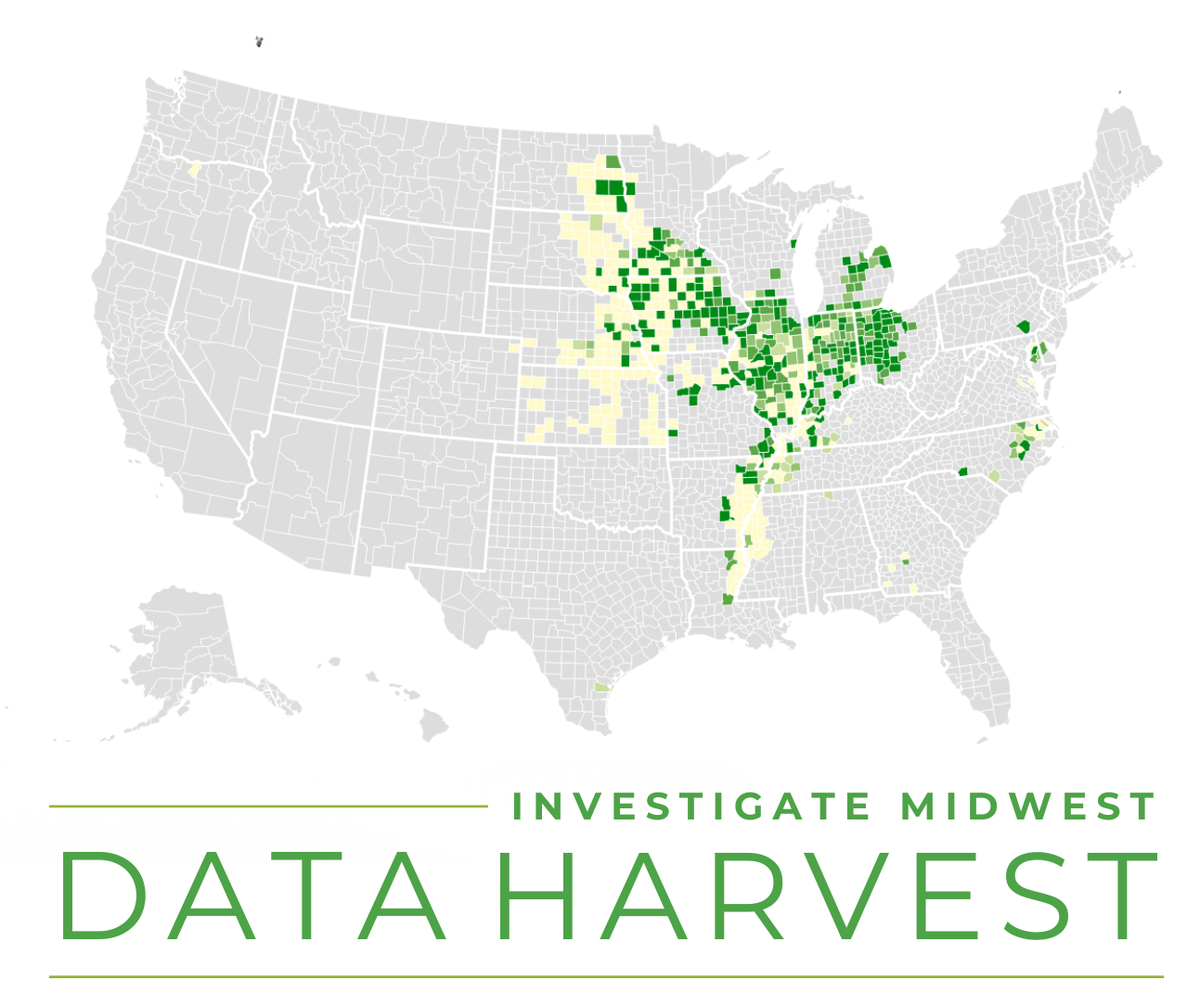
 Lauren Cross, Investigate Midwest
Have you or a loved one been diagnosed with cancer that you believe may have been caused by widespread pesticide use? If so, Investigate Midwest invites you to complete this brief form and help us as explore this topic.
TKTK form needed